Jacinto “Jessie” Fernandes
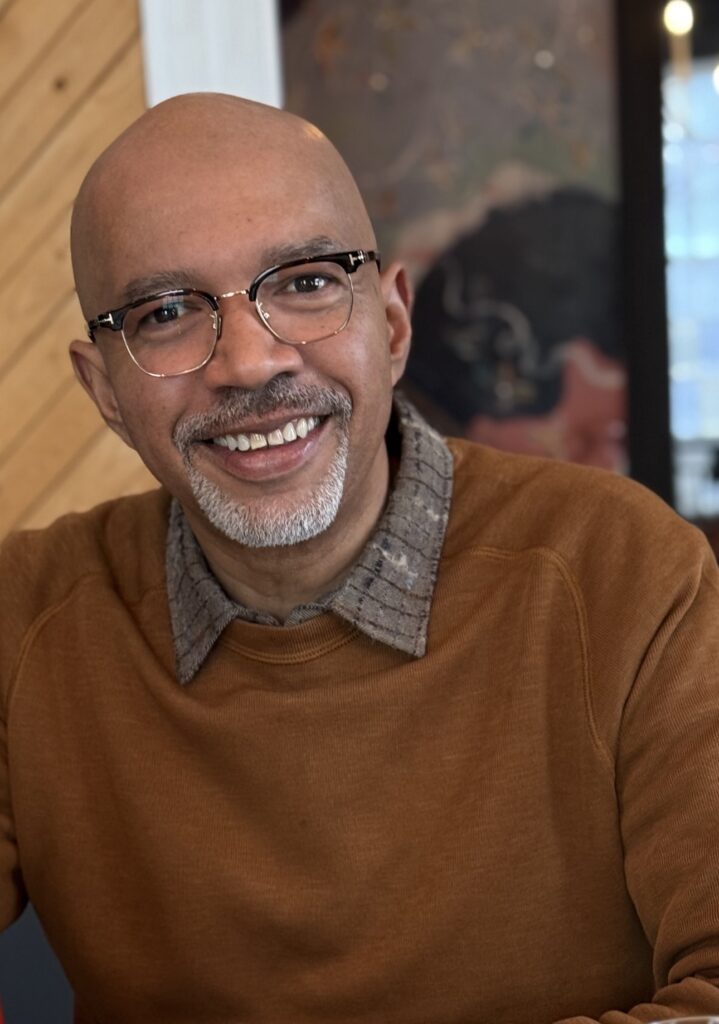
Jacinto Gil Ramos Monteiro Barbosa Fernandes
Praia, 1969
Businessman and producer
Jacinto “Jessie” Fernandes is a Cabo Verdean music producer who has lived in the United States since 1989. His work encompasses music projects, concert promotion, creative concept development, and visual storytelling.
Raised in the Plateau (the historic center of the city of Praia), Fernandes grew up among craftspeople, including his grandmother who was a seamstress, and his godfather, a carpenter, figures through whom he discovered creativity through patient, hands-on work. At the same time, music was a constant presence in his everyday life. Os Tubarões rehearsed in a space near his home, giving him the opportunity to attend countless sessions. These encounters, as he told Cabo Verde & Its Music –Virtual Museum, introduced him to the work of leading Cabo Verdean composers and gave him an early glimpse into how music takes shape through collective effort. Two streets away, the island’s cinems also helped expand his imagination, he recalls.
When his daughter Desiree, pursued a musical career, Jacinto Fernandes and his wife Maria, supported her development as a singer. This helped him connect his organizational background with a growing understanding of artistic production.
A defining chapter began in 2010 through his relationship with Grammy Award-winning producer, conducter, and arranger Robert Sadin, whose work includes projects with Herbie Hancock, Wayne Shorter, and Sting. Sadin became a mentor, collaborator, and friend, broadening Fernandes’s understanding of musical interpretation and collaborative process of production. The years that followed brought opportunities to work with musicians and recording professionals such as Romero Lubambo, Cyro Baptista, Ira Coleman, and sound engineers Clark Germain and David Darlington.
Jacinto Fernandes was one of the founders of Terreru Music, a group in which music, poetry, cultural memory, education, and social responsibility come together through collective creation. Djinho Barbosa and Calu di Guida are the group’s other members.
In the center of this Journey is a conviction that continues to guide his involvment in the arts: “A person’s true purpose in life is never fulfilled if we do not fulfill our cultural and social responsibilities”, according to Fernandes.