Sãozinha
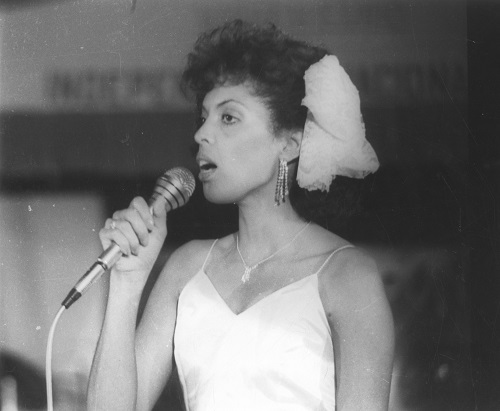
Maria da Conceição Rosa Fonseca Fragoso
Santa Maria, Island of Sal, 1950s
Singer
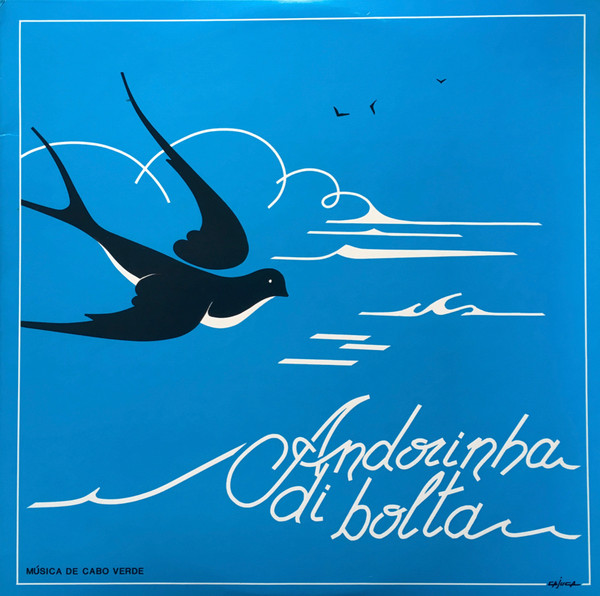
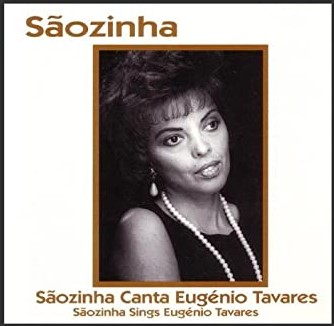
The singer Sãozinha Fonseca, residing in Boston, USA since 1976, emerged in the Cape Verdean music scene after winning the competition ‘Todo o Mundo Canta’ in 1985, representing the Cape Verdean community in the United States. The following year she released her first album, Andorinha di bolta, with Ramiro Mendes as producer and arranger, in addition to playing several instruments. An album that records only songwriters from Brava Island, with emphasis on Eugénio Tavares, with whom she recorded three songs. In 1993 released a new album dedicated exclusively to Tavares.
Sãozinha favored the mornas from Brava because they not only are a part of her identity but also and according to her are little explored. “I believe that hundreds of mornas from Brava are still unknown. There are few artists recording songs from Brava, opposed to what happens on other islands. Because I am from Brava, I feel that it is my duty to help those melodies to shine again” (Cabo Verde & a Música – Dicionário de Personagens).
In 2003, the singer participated in the CD Papá, with the brothers João Baptista and Carlos Alberto and the nephew Djassi, that pays homage to her father, Aguinaldo Teodoro Fonseca, author of some of the album’s songs. He was a postal worker in Sal at the time of her birth in Santa Maria; her mother was from Brava, and it was on that island that Sãozinha grew up, participating in the church choir in the church of São João Baptista in Nova Sintra, and in ‘tocatinas’ and theater plays organized by Capuchin priests.
Discography
- Andorinha di bolta, LP, Sodade, Boston, 1986.
- Sãozinha canta Eugénio Tavares, LP, Mendes Brothers Records, Brockton, 1993.
- Papá, CD, Tuquinha Productions, Boston, 2003. With Tita, Djassi and Carlos Fonseca
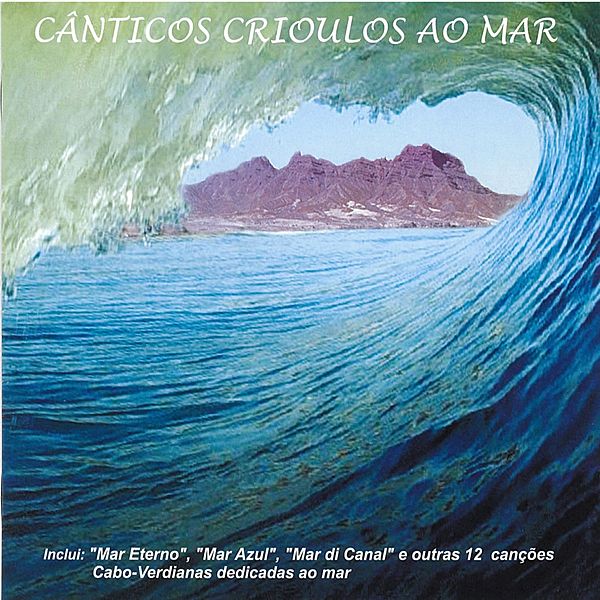
- Participation in the CD Cânticos crioulos ao mar, 2004, with the theme “Mar di lua cheia”, by Eugénio Tavares.