Luís Morais

Luís Ramos Morais
Mindelo, São Vicente, 1935 – New Bedford, EUA, 2002
Instrumentalist (winds), composer, arranger, conductor, teacher
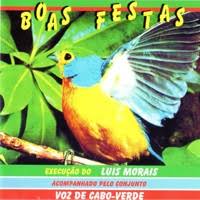
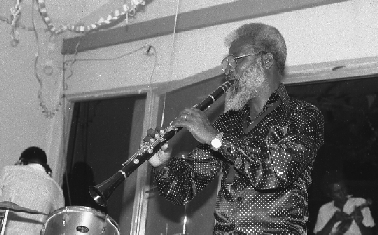
Luís Morais is remembered year after year for “Boas festas”, a traditional New Year’s Eve song he arranged and recorded – one of Cabo Verde’s most iconic musical successes. He was an artist with a multifaceted career; solo performer, composer and lyricist, bandleader, conductor, and educator. He came from a musical family in which everyone played wind instruments – a specialty in which he became the leading figure in Cabo Verdean music. Like his uncle Pitrinha (who led the Banda Municipal de São Vicente when the future clarinetist was born) and Duca de Nho Pitra, Luís Morais also played in the band and was a prodigious student of Nho Reis in the 1950s and 1960s.
At 18, he decided to form a band “to make money”. This was Conjunto Tropical, which, in the mid-1950s, even performed in Guinea-Bissau, according to Morais. After his military service, he went to Senegal to study at a conservatory. He spent eight years in Dakar performing with the group Miami Jazz at a night club called Bodega, and at Saloum Rhythm, backing artists from various backgrounds. At the time, Latin American rhythms dominated Dakar’s nightlife – an influence that would shape his musical direction for years to come.
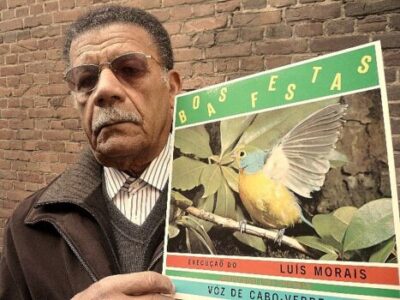
The next chapter of his career took him to the Netherlands. In 1965, in Rotterdam, he formed a band with Frank Cavaquinho, Jean da Lomba, Toy Ramos, and Morgadinho – and with Bana and Djosinha joining as vocalists at different points. This became Voz de Cabo Verde (I), one of the most famous Cabo Verdean music groups of the era, and lasted four years.
Alongside group projects, Morais recorded about a dozen LPs under his own name, many backed by Voz de Cabo Verde. After Jean da Lomba, Toy Ramos, and Morgadinho left, the group evolved, and Morais, now based in Portugal, formed another version of the band – Voz de Cabo Verde (II) – again with Bana and new members. He continued recording albums with this ensemble until the mid-1980s.
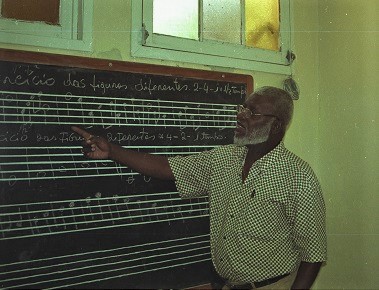
His former students knew him as ‘Ti Lis’, as many remember his attempts to reach music theory – staffs, notes, clefs. But “no one was up for that annoying stuff”, and eventually, neither was he. Luís Morais wasn’t a teacher by nature – he was a musician, an artist, and a unique one at that. But he had many stories to tell.
Álvaro Ludgero Andrade, www.visaonews.com (Sept.29, 2002)
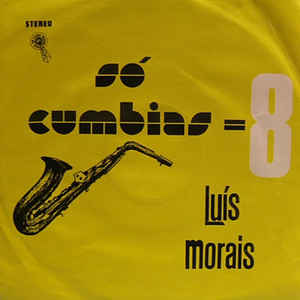
His discography is notoriously difficult to catalogue. Some albums reused earlier songs alongside unreleased material, and reissues on CD often provide little clarity, frequently omitting or misrepresenting technical details. He released about 30 titles – including EPs, LPs, and CDs – featuring everything from Cabo Verdean traditional music to Brazilian choro and samba, cumbia, merengue, and other Latin American styles that he both composed and interpreted. He is believed to have authored over 100 songs. In parallel with his solo career, he recorded with many Cabo Verdean artists and was also part of Cabosamba in the 1970s and the following decade.
Luís Morais was a recording pioneer in Cabo Verde. In the late 1950s, together with Malaquias Costa(violin) and Lela Preciosa (guitar), he accompanied Titina, Djosinha, and Amândio Cabral on recordigns made at Rádio Barlavento. These became the series Mornas de Cabo Verde, published by Casa do Leão.
After a period in Portugal in the early 1970s, he returned to Cabo Verde following the country’s independence. He has been invited by the new government to orchestrate the PAIGC anthem, which was adopted as the national anthem of the country. He remained on the islands, dividing his time between teaching at the Liceu Ludgero Lima and conducting the Municipal Band, which he took over after Jotamonte’s retirement.
Songs
Abol sem Brincadera (with Djunga de Biluca); Agora e so Yeye; Amor di Perdição; Anildo Morais; Anjo de Criança; Ano Feliz; Assim; Ba Bo Bem; Bedjiça; Bela Vista; Bo e sabe; Bo Imagem (wuth Djunga de Biluca); Cabo Verde de Nôs; Cuidode na bo Vaidade; Cumbia Alegre; Cumbia Gostoso; Cumbia Nau; Cumbia Zau; Del Monte; Delicadeza; Djeylen (with Morgadinho); E Medjor Bó Feca Calode; Explusão 2002; Falam Verdade; Felicidades à Família; Fidjo di Ninguém (with Djunga de Biluca); Foi; Fulia; Futuro de Nôs Terra; Graças a Deus; História de Nha Vida (with Djunga de Biluca); Hora Marcode; Improviso Voz de Cabo Verde; Infelizmente; Inteligência Universal; Intro – Voz de LM em Formidável; Lágrimas; Lamento; Largame da Mon; Linda Melodia; Louvor; Madrugada; Maravilhosa; Maria Graciela; Matiota; Matmatica; Mdjer, Coque e Bafa (with D. Neves); Mentiroso D´Jon; Merecimento de Mãe (with Djunga de Biluca); Meu Pressentimento; Mindelo; Monte Cara; Morena; Nely; Noite Sem Estrelas; Nôs Realidade; Novidade; Outra Vez; Pensando; Peyk; Problema; Puede Ser; Quando Llora el Alma; Quebra Cabeça; Ragoce d´Manhe (with Djunga de Biluca); Regresso; Renda d´Casa; Sacramento; Samba Bela Morais; Samba Sissi; Santa Catarina; Saudades; Segredo de Nha Vida (with Djunga de Biluca); Sempre em Frente; Sentimento Profundo (with Djunga de Biluca); Slow Melodia; Sodade de Cabo Verde; Sofrimento de Sodade (with Djunga de Biluca); Sonhando; Stóra mais Stóra; Surpresa; Tchica Linda; Tchora pa questigue; Teiza; Ternura; Titi; Traze Azar; Tristeza; Última Hora; Um Ca Ba Laral; Prigosinha; Vamos Bailar; Velocidade (with Morgadinho); 24 de Setembro. Note.: the list may contain inaccuracies resulting from information on the album covers.
Discography
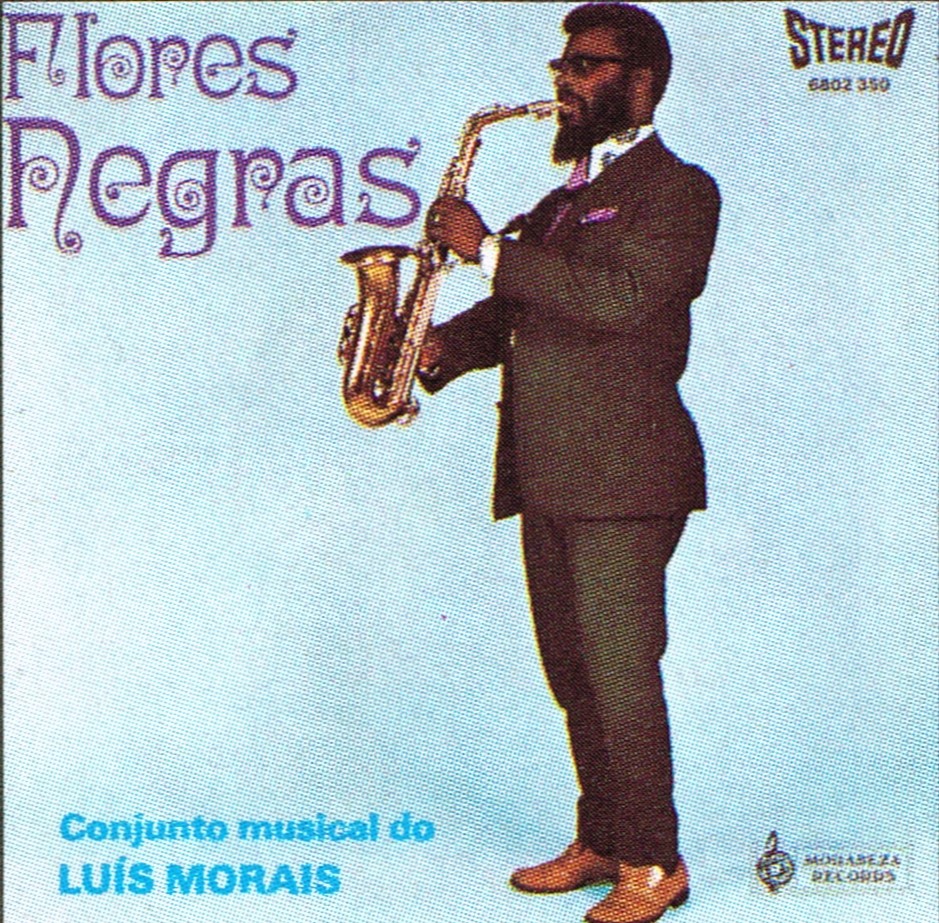
- Flores negras, EP, Morabeza Records, Rotterdam, [1960s] (in the name of Luís Morais’ musical ensemble).
- Luís Morais accompanied by Voz de Cabo Verde, EP, Morabeza Records, Rotterdam, [1960s].
- Boas festas, LP, Morabeza Records, Rotterdam, 1967 (with Voz de Cabo Verde). Reedition in CD Sons d’ África, [?].
- Romance do nosso amor, LP, Morabeza Records, Rotterdam, 1967.
- Sensational, LP, Morabeza Records, Rotterdam, 1969 (with Voz de Cabo Verde).
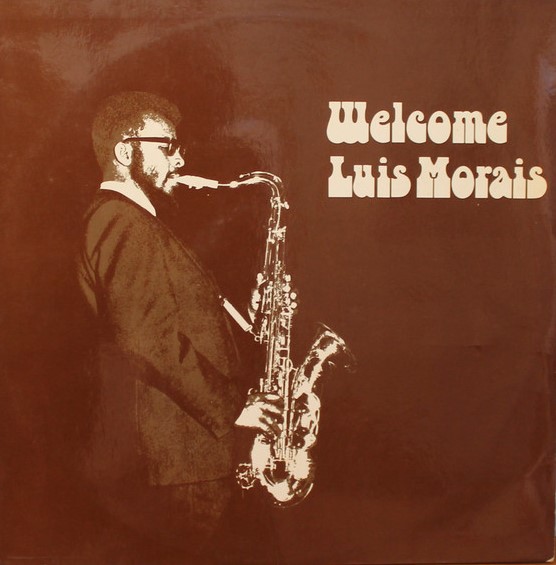
- Welcome, LP, Morabeza Records, Rotterdam, 1969.
- Adorável, LP, Morabeza Records, Rotterdam, 1972 (Luís Morais and his musical ensemble).
- Mona linda, LP, Morabeza Records, Rotterdam, 1972. Reissued on CD by SA, 2003.
- Sacramento, LP, Morabeza Records, Rotterdam, 1972,
- Saxo show, LP, Morabeza Records, Rotterdam, 1972.
- La Bonanza, LP, Morabeza Records, Rotterdam, 1972 (with Morais and his musical ensemble).
- Loin de toi, LP, Morabeza Records, Rotterdam, 1972.
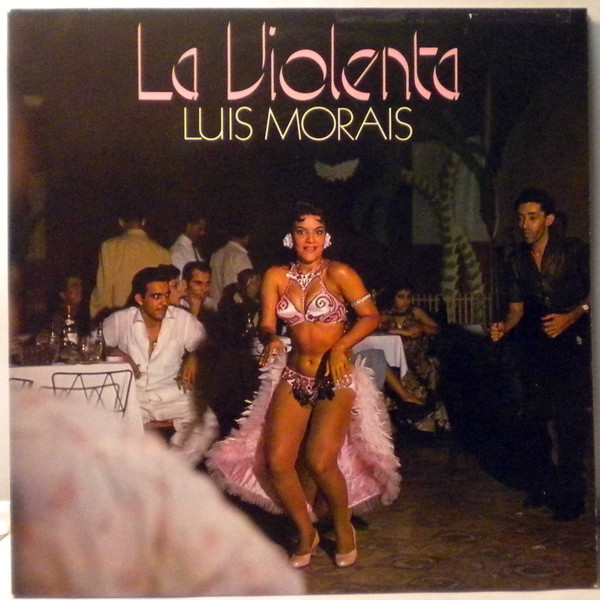
- La violenta, LP, Morabeza Records, Rotterdam, 1972.
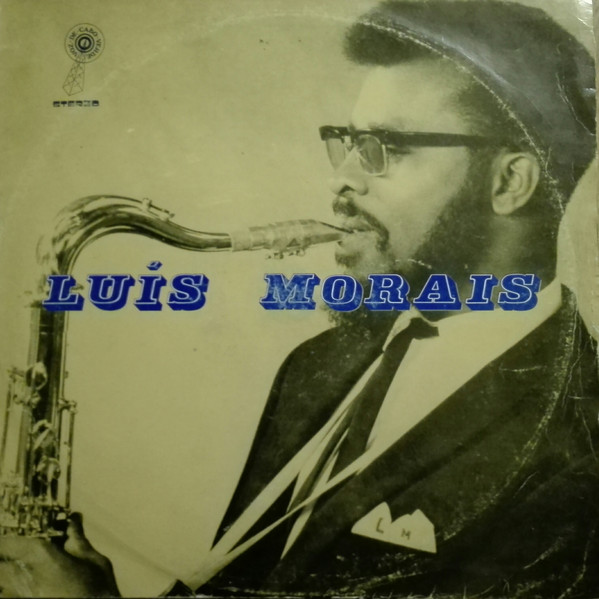
- Luís Morais, LP, [?], Lisboa, [1970s] with Voz de Cabo Verde. Reissued on CD by SA, 2003.
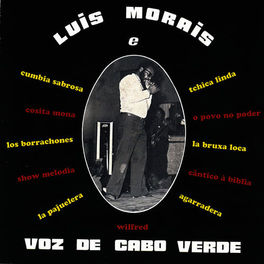
- Luís Morais e Voz de Cabo Verde, LP, Carrondo Records, [1970s]. Reissued on CD by SA, 2003.
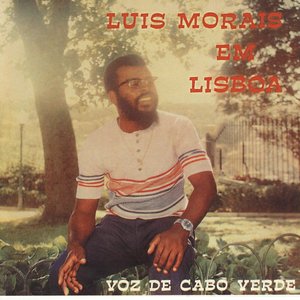
- Luís Morais em Lisboa, LP, Carrondo Records, [1970s]. Reissued on CD by SA, 2002.
- Broadway, LP, Do-La-Si/Electromovel, Lisboa, 1973. Reissued on CD by SA, Série Sodade 3.
- Cabo Verde 74 – Mornas e coladeiras, LP, Do-La-Si/Electromovel, Lisboa, 1974 (Luís Morais ans his musical ensemble – with Longino e Djô).
- Cumbia, LP, Voz de Cabo Verde, Lisboa, 1975.
- Moche de ronda, LP, Voz de Cabo Verde, Lisboa, [1976].
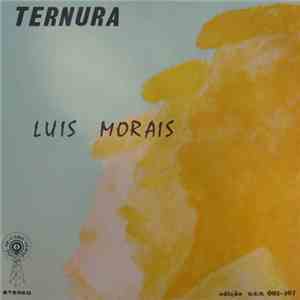
- Ternura, LP, Voz de Cabo Verde, Lisboa.
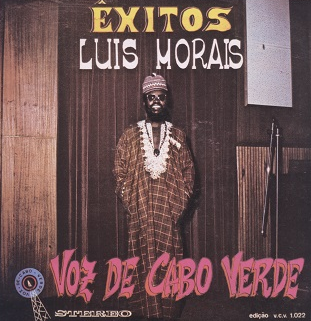
- Êxitos, LP, Voz de Cabo Verde, Lisboa, [1977].
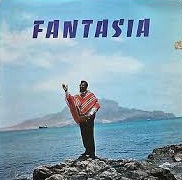
- Fantasia, LP, Voz de Cabo Verde, Lisboa, 1978 (with Bana). Reissued on CD by Sons d’África, [?].
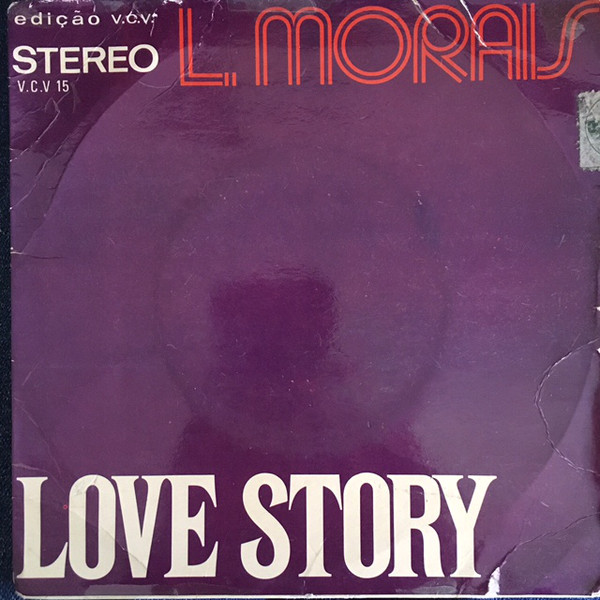
- Love story, LP, DMC, Lisboa, 1979.
- Luís Morais, LP, DMC, Lisboa, 1980.
- Morena, LP, Voz de Cabo Verde, Lisboa, 1980.
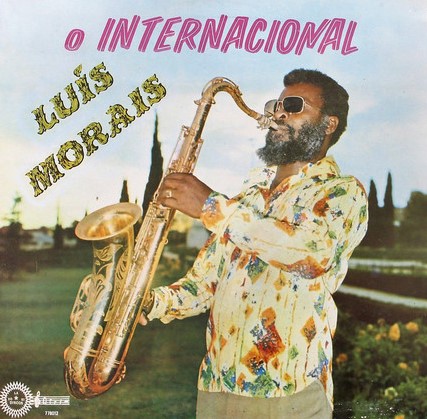
- O internacional, LP, Do-La-Si/Electromovel, Lisboa, 1984. Reissued on CD by Sons d’África, Série Sodade 2, [?]
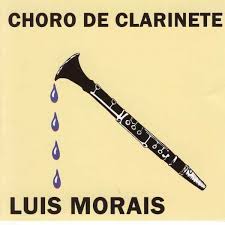
- Choro de clarinete, LP, DMC, Lisboa, 1985 (with Voz de Cabo Verde and participation of Chico Serra). Reissued on CD by Sons d’África.
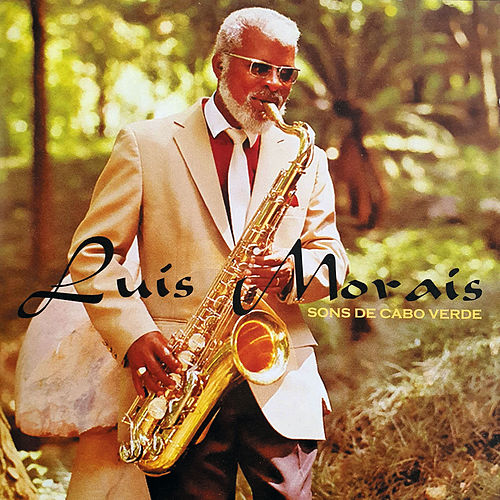
- Sons de Cabo Verde, CD, Zé Orlando/Sons d´África, Amadora, 1991.
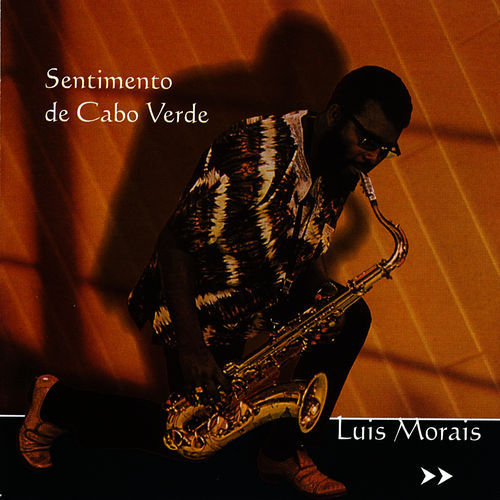
- Sentimento de Cabo Verde, CD, Sons d’África, Amadora, 1992.
- Boas festas Cabo Verde (compilation), CD, Lusafrica, Paris, [1990s] (reissue on a single CD of the albums Boas festas and Romance do nosso amor).
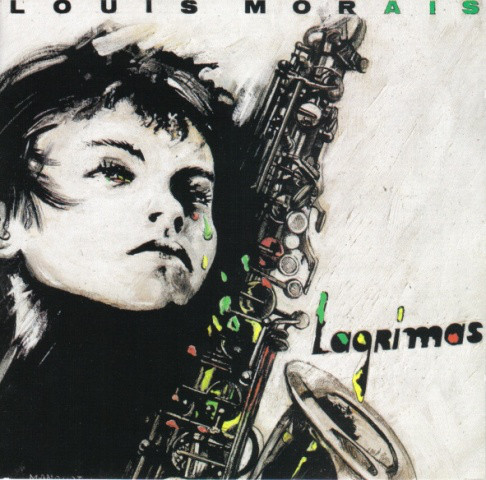
- Lágrimas, CD, Lusafrica, Paris, 1993.
- Nostalgia, CD, e/a, São Vicente, 1999.
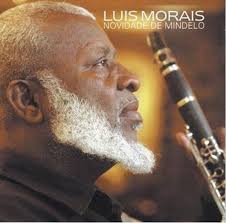
- Novidade de Mindelo, CD, Lusafrica, Paris, 2002.
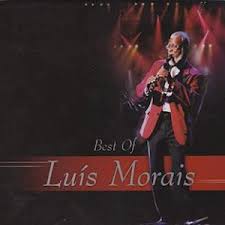
- Best of Luís Morais, CD, Sons d’África, Amadora, 2003.
- Luís Morais – O saxofone de ouro, DVD, Sons d’África, Amadora, [2000s].