Bana
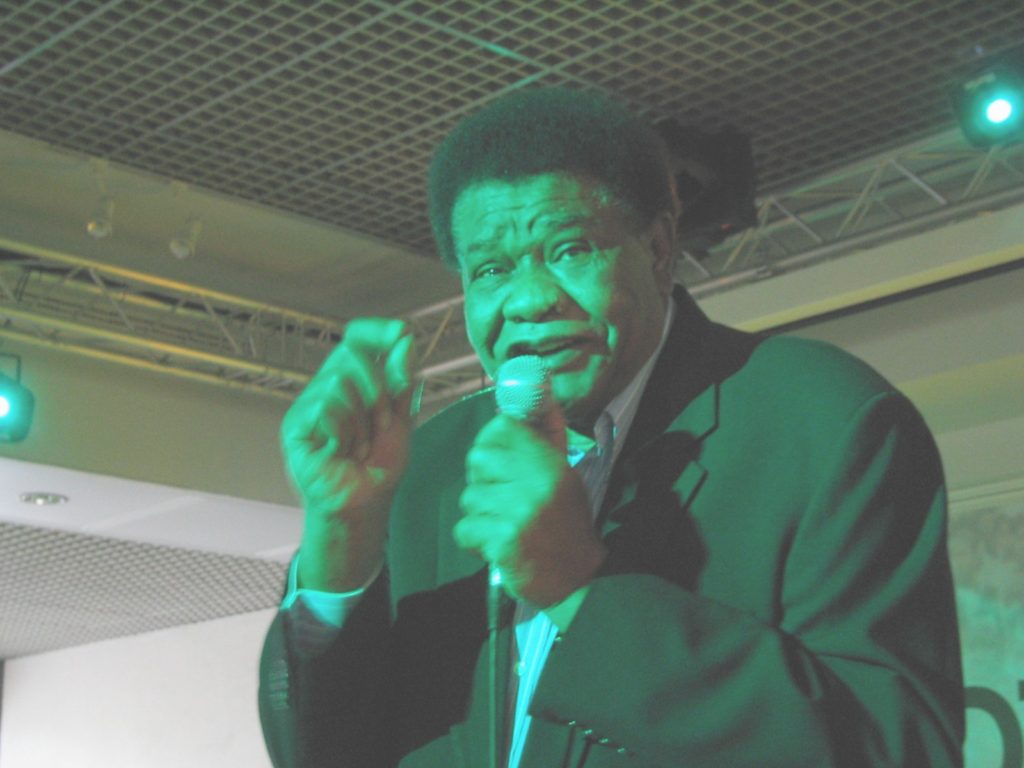
Adriano Gonçalves
Mindelo, São Vicente, 1932 – Lisbon, 2013
Singer, music publisher
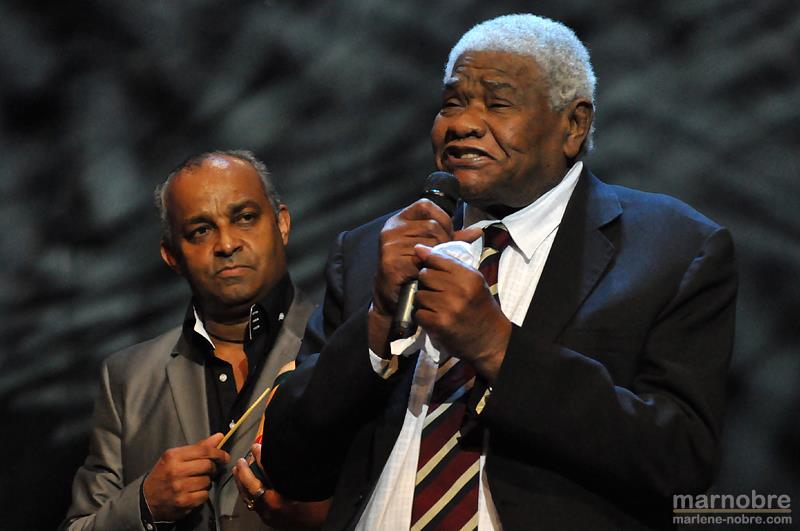
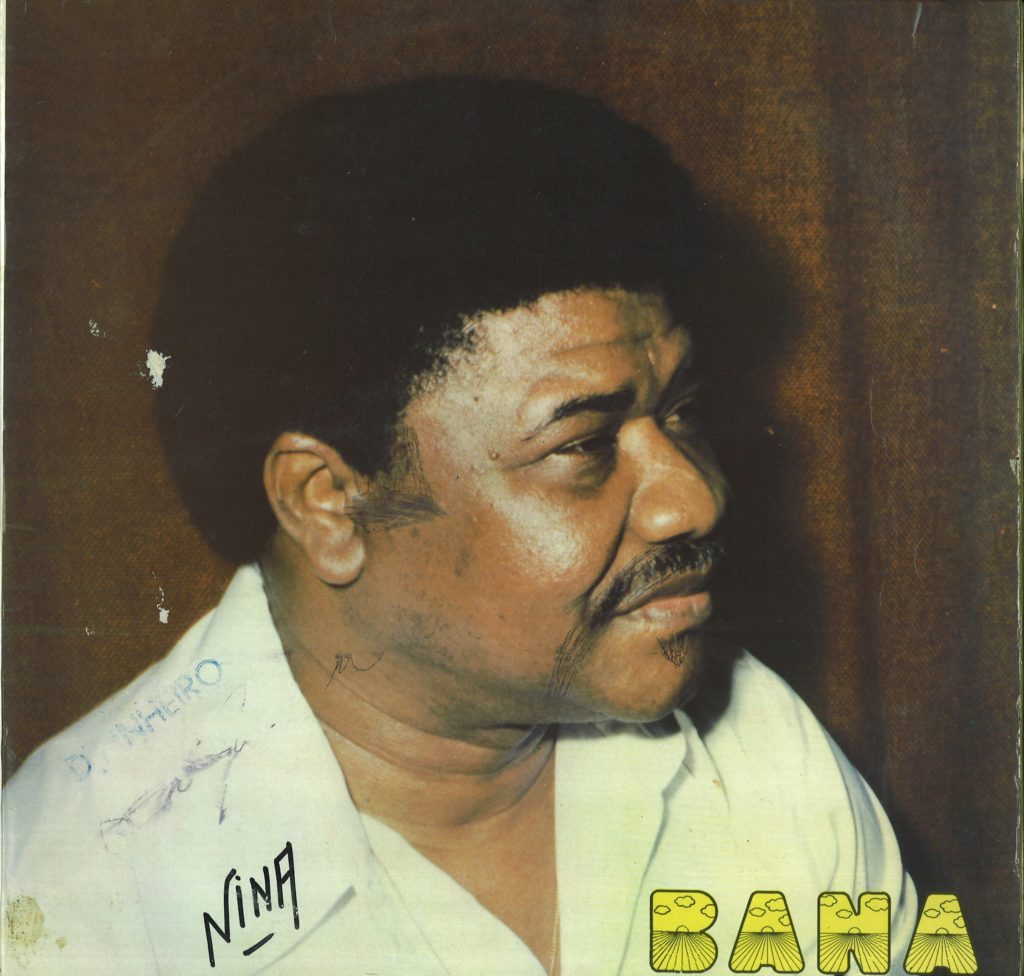
Bana, considered “the greatest interpreter of morna and coladeira” – genres to which he dedicated his more than 50 years career – is among the Cabo Verdean artists with the most extensive discographies. He was a true giant in stature, contrasting by his sweet and gentle voice. His singing style was unique: intimate and almost spoken, often avoiding the grandiose eloquence common among singers of his generation and even those who came later. He had learned subtlety from B.Léza. Bana recalled that the composer, with whom he spent much time during the final years of his life, sang that way not because it was his style, but because he lacked the breath to hold notes for long.
Adriano Gonçalves was a big baby at birth, delivered by a midwife who was a friend of his mother. “This is a Bana”, they said, alluding to Salibana, a chubby singer from the old days of Mindelo. And so it was. He grew up in a humble family and did manual labor as a port stevedore and in the Shell fuel tanks. He began singing at the age of 15, at the door of his house, with friends his age.
In the mid-1950s, a group of Portuguese students from the University of Coimbra visited Mindelo – among them were the future journalist and novelist Fernando Assis Pacheco, and the poet and politician Manuel Alegre. “Many people were invited to sing for them. I, being the son of humble people, barefoot, was always left out”, says Bana (Cabo Verde & Its Music – Dicionário de Personagens). But one night, as the students returned to their lodging, they heard Bana singing with a group gathered in the square. From that moment on, they invited him to perform everywhere – they even wanted him to move to Portugal.
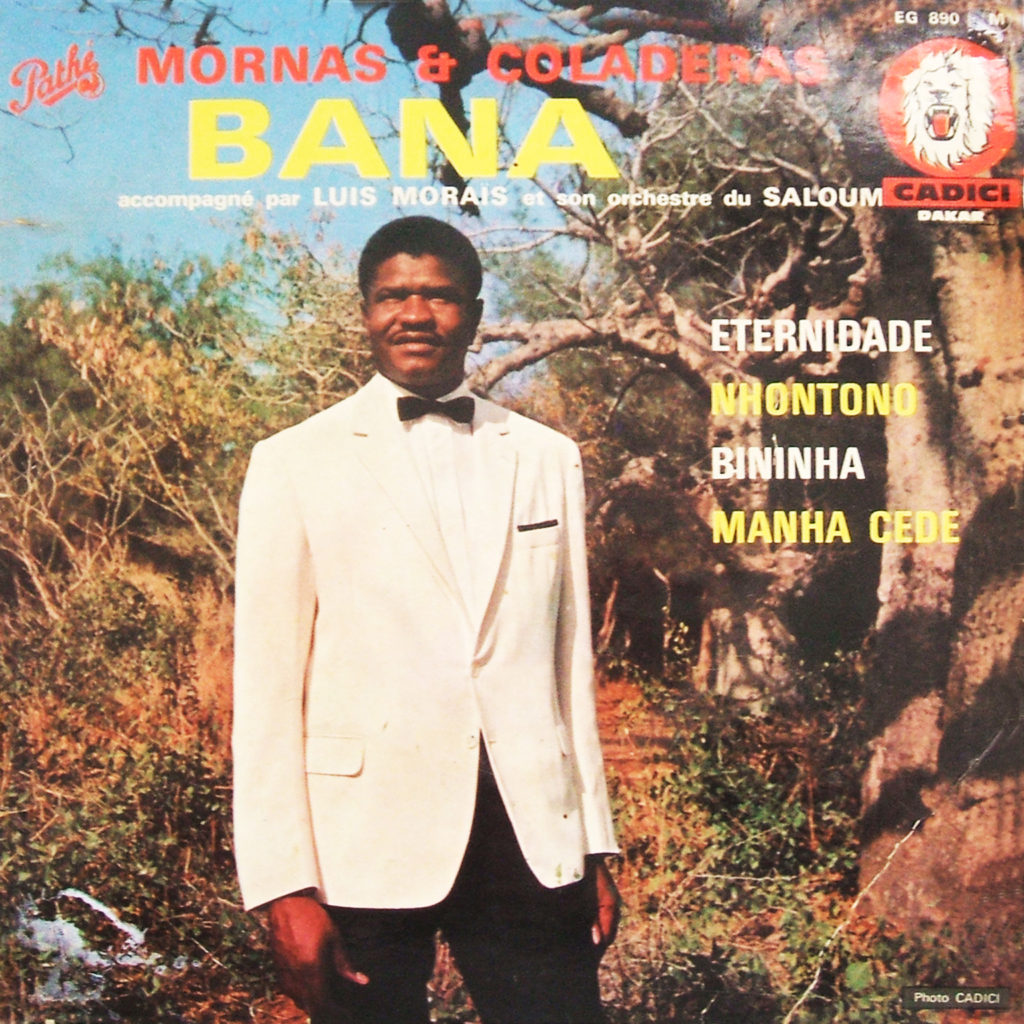
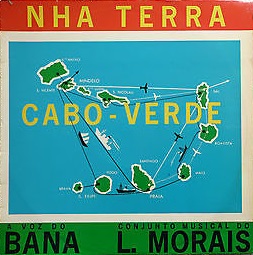
But it was to Dakar that Bana went in 1959 – and he was fortunate, as he didn’t have to face the hard labor he had initially expected. He quickly secured weekend performance contracts and, at a certain point, began managing a nightclub, Saloum Rhythm, where he also performed. It was during this time that the embryo of the group Voz de Cabo Verde began to take shape – with musicians Luís Morais, Frank Cavaquinho, Morgadinho, Jean da Lomba, and Toy Ramos – a group officially formed some years later in the Netherlands. From a certain point on, all these musicians were performing at Saloum. Bana recorded his first EP with Pathé Marconi in 1961. In 1965, the whole group moved to the Netherlands. Initially working in a factory, they eventually managed to acquire equipment and began performing. Bana recorded his first LP, Nha terra, accompanied by the group Os Verdianos, who would later become known as Voz de Cabo Verde. On the cover, the group is identified as Luís Morais’ musical group.
“He sings as if he had a baby on his lap.”
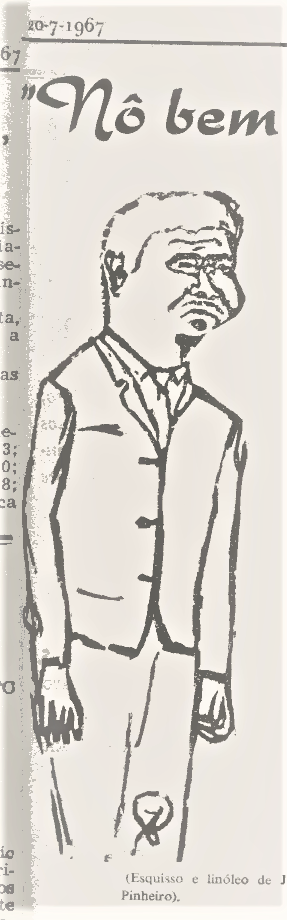
Orlando Levy in O Arquipélago (07/27/1967) reproducing a comment made by a fan on the occasion of Bana’s first concert in Cabo Verde.
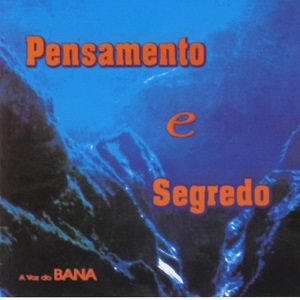
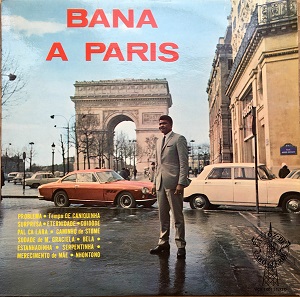
His second LP, Pensamento em Segredo, was released in 1966, and around that time, he began to have disagreements with the group. Still in the Netherlands, he recorded the LP Bana à Paris – the first to be released by the label Voz de Cabo Verde. This was a name Bana began using around that time, later registering it in Portugal; however, it had no connection to the musical group of the same name. In 1968, he spent a few monthts in the United States, where he released the LP Perseguida, recorded in Portugal with the participation of Luís Morais.
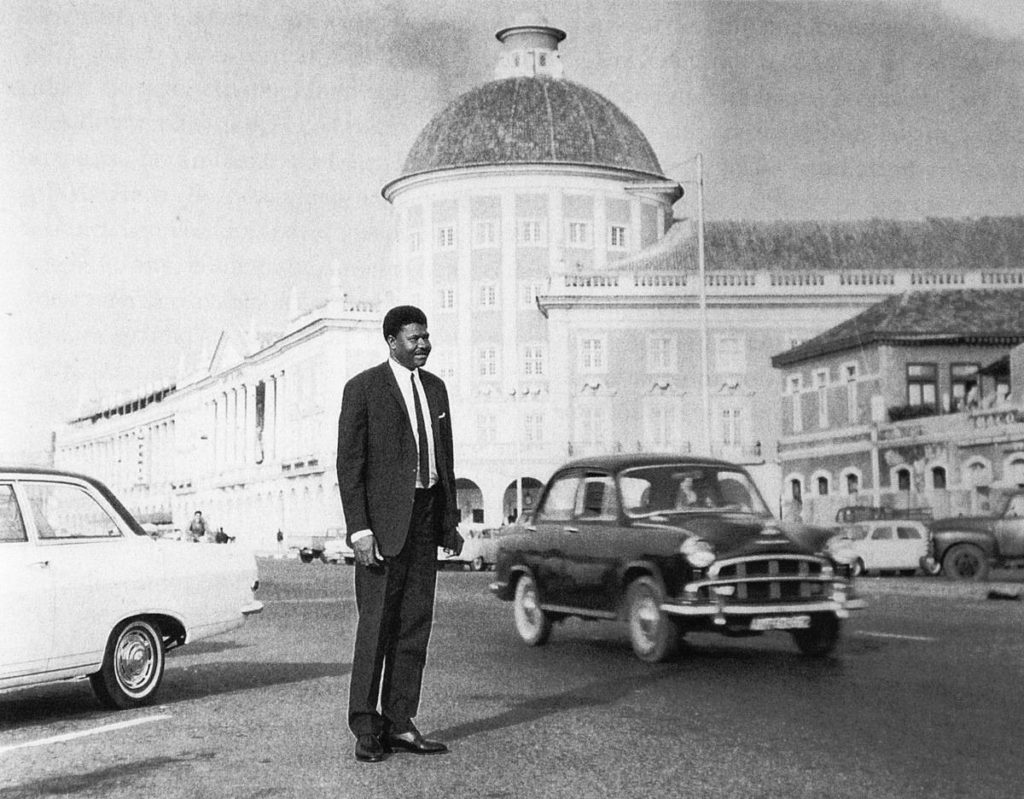
From that point on, Bana spent several years traveling back and forth between Lisbon and São Vicente. After settling permanently in Lisbon, he opened a record store and later a nightclub. Even 30 years later, thus establishment was still known as “Bana”, despite having changed management and names over time – including Pilon and Enclave, among others.
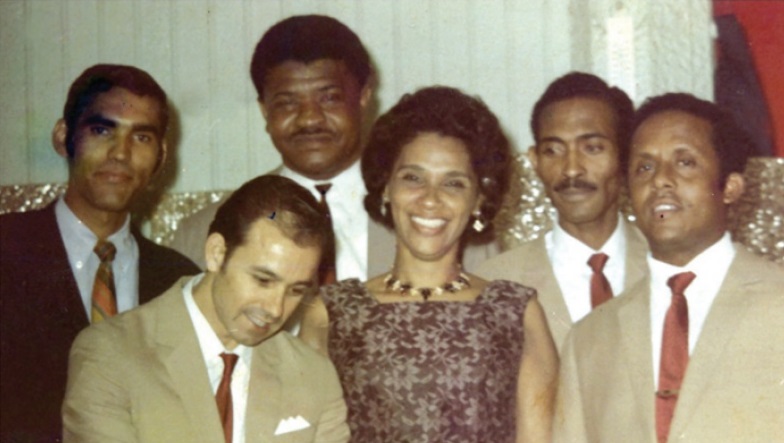
Staring in the early 1970s, Bana recorded successive LPs with the group he called Voz de Cabo Verde (II). Over the course of a decade, this group became a platform for a new generation of musicians, including Paulino Vieira, Armando Tito, Leonel Almeida, Piúna, Cabanga, John Bebeth, and in the 1980s, Zé António, Toy Vieira, and Tito Paris.
Bana released records until the late 1980s, working not only with the label Voz de Cabo Verde (VCV) but also with Discos Mindelo and Discos Montecara (DMC). Under VCV, he releases 36 LP and several Eps – both solo with Voz de Cabo Verde (II), with Luís Morais, and with various other artists such as Nho Balta, Black Power, Norberto Tavares, Marino Silva, and Chico Serra, as well as some compilations.
Discos Montecara, a label active from the late 1970s until the mid-1980s, appears on 34 titles. Artists like Leonel Almeida, Paulino Vieira, Jacqueline Fortes, Longino and Djosinha released work through this label. Meanwhile, Discos Mindelo, active in the latter half of the 1980s, published around a dozen albums – including the first LPs of artists such as Fantcha, Dudu Araújo, Tito Paris, and Cesária Évora. As a publisher, Bana was responsible for a significant portion of the approximately 150 Cabo Verdean LPs released in Portugal between the late 1960s and 1990, rivaling other labels such as Iefe, Arsom, Do-La-Si, and Electromovel.
Throughout his career as a singer of mornas and koladeras, Bana released around 45 titles across EPs, LPs, and CDs. However, some of these included repeated recordings, even when not labeled as compilations, which makes it difficult to determine his exact output. Additionally, the absence of dates on most records means that any list of his works can only be considered approximate.
In addition to being the main interpreter of B.Léza and Manuel d’Novas, Bana helped bring visibility to composers such as Dionísio Maio, Djô d’Eloy, Luís Lima, Kalú Monteiro and Djim Job. As a songwriter, he co-wrote the morna “Bela” with Morgadinho, which was recorded on Bana à Paris.
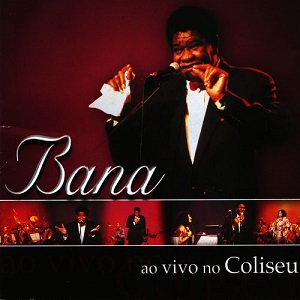
Several times, Bana said farewell to the stage and studio but always returned. In 1999, he celebrated 50 years of career with a show at the Coliseu dos Recreios in Lisbon, featuring special guests Maria João and Mário Laginha. This event resulted in a double album.
In 1992, Bana was awarded the Official Order of Merit in Portugal by then-President of the Republic Mário Soares.
Discography
- Nho Ntone/Eternidade, EP, Pathé Marconi, Dakar, 1961.
- Nha terra Cabo Verde, LP, Casa Silva, Rotterdam, 1966.
- Pensamento e segredo, LP, Casa Silva, Rotterdam, 1966.
- Problema, EP, Casa Silva, Rotterdam, 1967.
- Mar di furna, EP, Casa Silva, Rotterdam, [1960s].
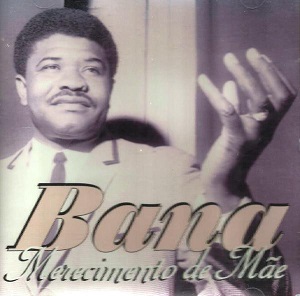
- Merecimento de mãe, EP, Morabeza Records, Rotterdam, [1960s].
- Tra-tra-tra, EP, Morabeza Records, Rotterdam, [1960s].
- Consolo di nha vida, EP, Morabeza Records, Rotterdam, [1960s].
- Mornas e coladeiras, EP, [?], [1960s].
- Um vez São Cente era sabe, EP, Morabeza Records, Rotterdam, [1960s].
- Bana à Paris, LP, Voz de Cabo Verde, Lisbon, 1967.
- Perseguida, LP, Voz de Cabo Verde, Lisbon, 1968.
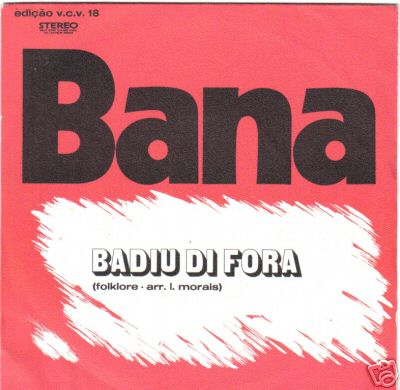
- Bana, EP, Voz de Cabo Verde, Lisbon, [?].
- Bana, EP, Voz de Cabo Verde, Lisbon, [?].
- Bana, EP, Voz de Cabo Verde, Lisbon, [?].
- Bana, EP, Voz de Cabo Verde, Lisbon, [?].
- Pilon iletrico, EP, Voz de Cabo Verde, Lisbon, [?].
- Merecimento de mãe, LP, Voz de Cabo Verde, Lisbon, [1960s].
- Nô bem ovi Bana, EP, Voz de Cabo Verde, Lisbon, [1960s].
- Só coladeiras (compilação), LP, Voz de Cabo Verde, Lisbon, [1970s].
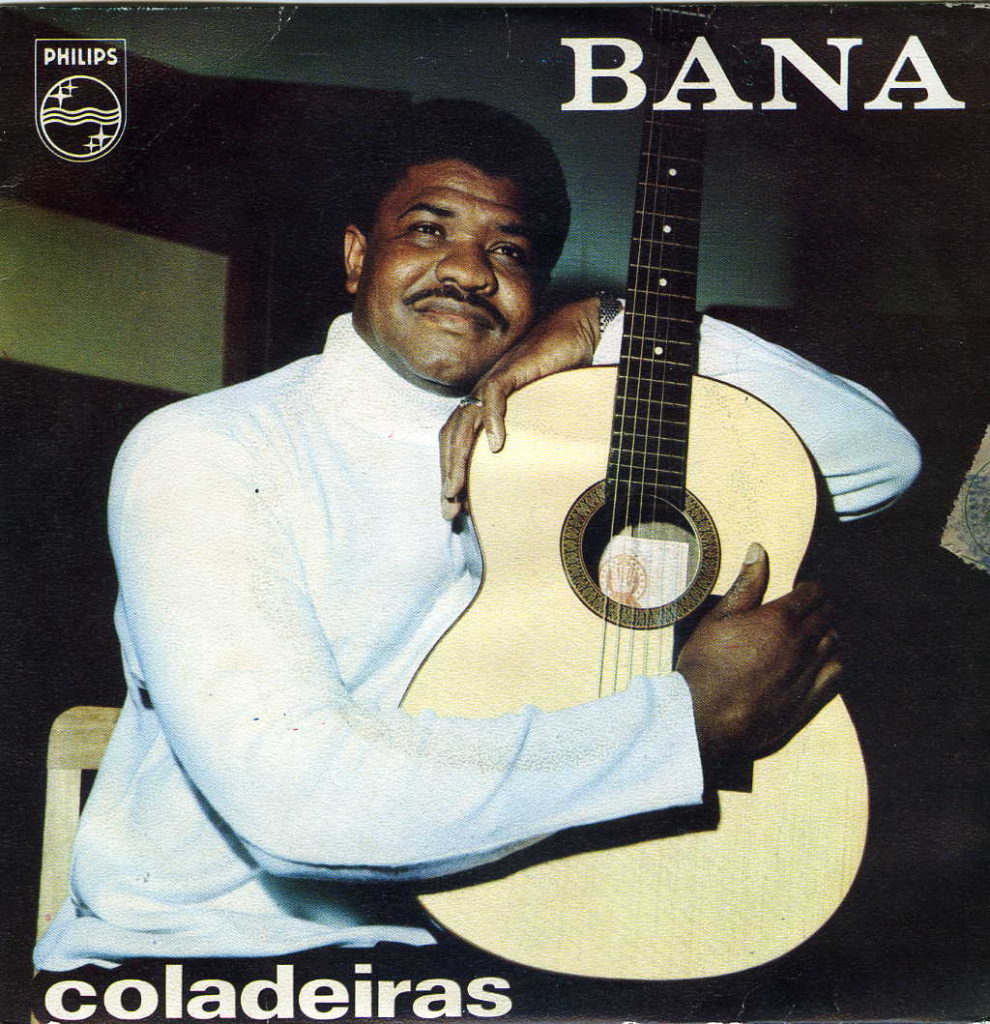
- Coladeiras, EP, Phillips, Lisbon, [1970s].
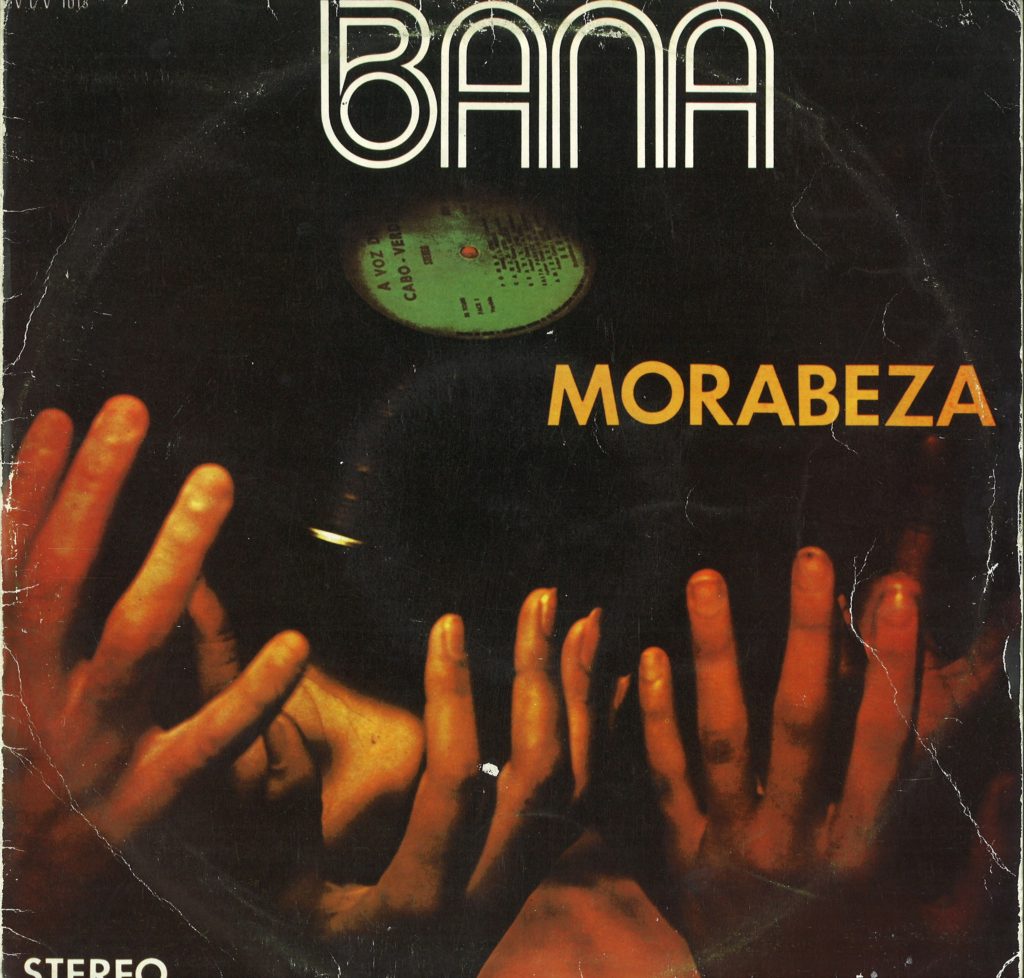
- Morabeza, LP, Voz de Cabo Verde, Lisbon, [1970s].
- Miss Unidos, LP, Voz de Cabo Verde, Lisbon, 1973.
- Antono esquederode, LP, Phillips, Lisbon, 1973.
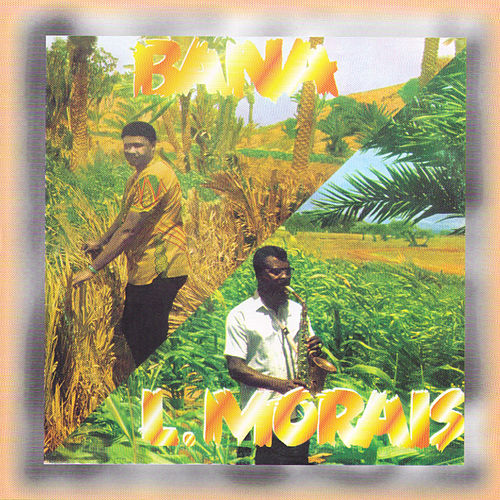
- Bana/Luís Morais, LP, Voz de Cabo Verde, Lisbon, 1974. With Luís Morais.
- Bana e Paulino, single, Voz de Cabo Verde, Lisbon, 1975. With Paulino Vieira.
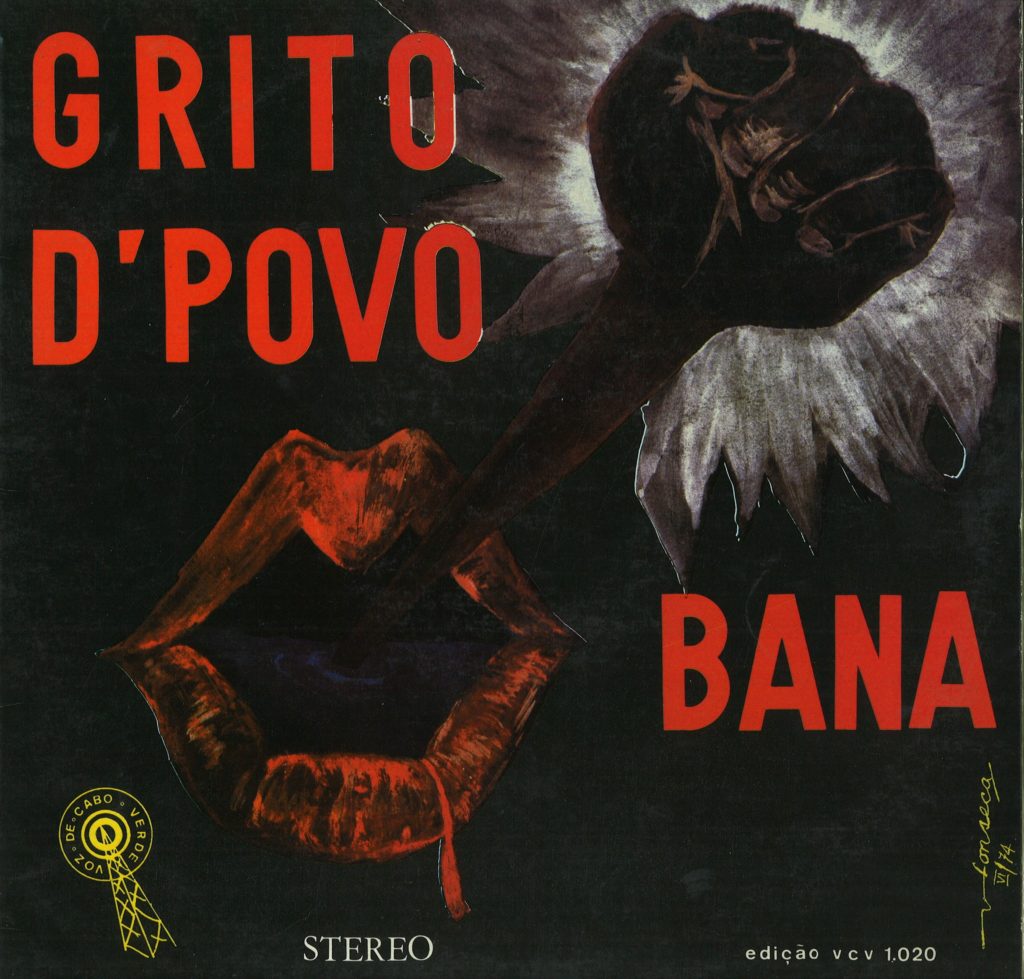
- Grito d’ povo, LP, Voz de Cabo Verde, Lisbon, 1976.
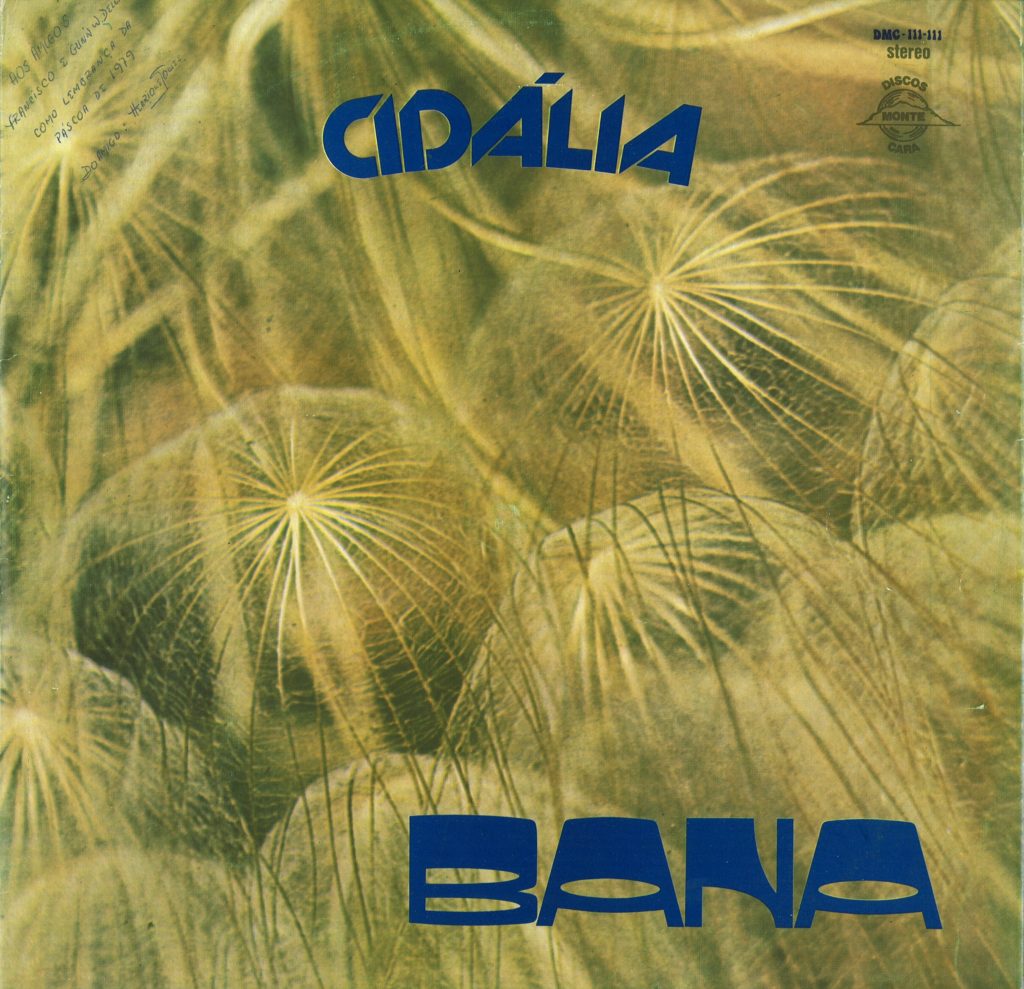
- Cidália, LP, Discos Monte Cara, Lisbon, 1978.
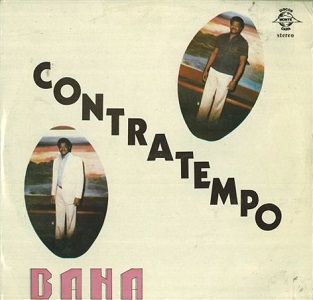
- Contratempo, LP, Discos Monte Cara, Lisbon, 1979.
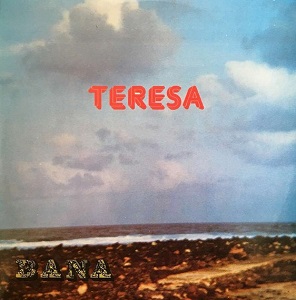
- Teresa, LP, Discos Monte Cara, Lisbon, 1980.
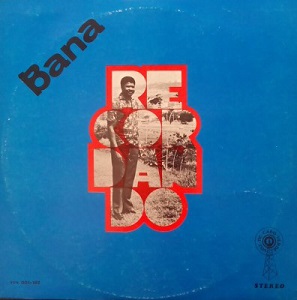
- Recordando, LP, Voz de Cabo Verde, Lisbon, 1980.
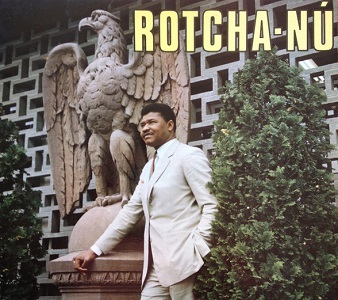
- Rotcha-nú, LP, Voz de Cabo Verde, Lisbon, 1981.
- Bana, LP, Discos Monte Cara, Lisbon, 1981.
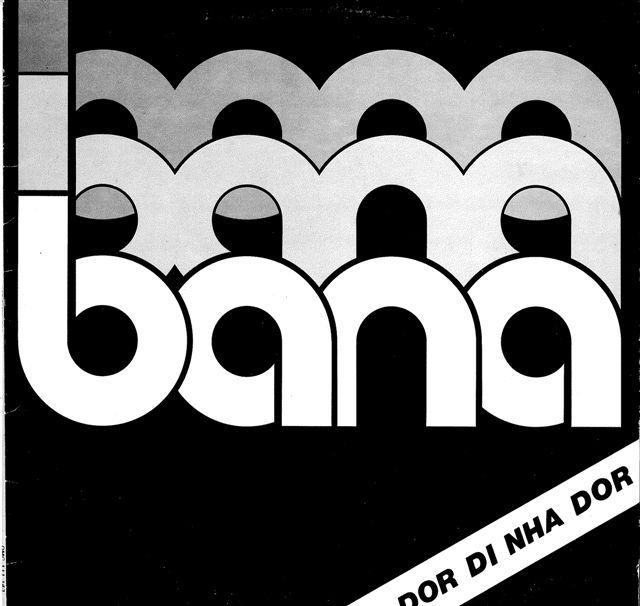
- Dor di nha dor, LP, Discos Monte Cara, Lisbon, 1982.
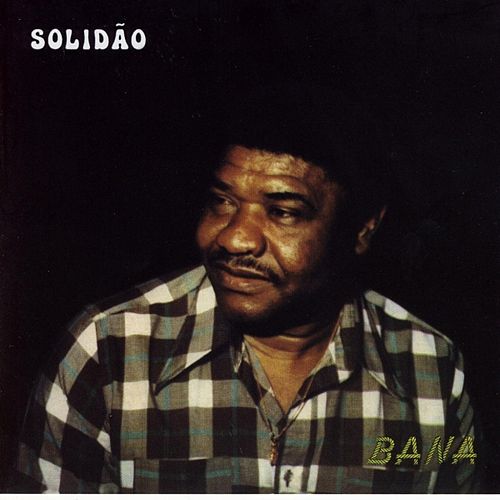
- Solidão, LP, Discos Monte Cara, Lisbon, 1982.
- Gardénia, LP, Discos Mindelo, Lisbon, 1985.
- X aniversário da independência de Cabo Verde, LP, Secretariado Administrativo de SV, S. Vicente, 1985.
- Bana, LP, Discos Mindelo, Lisbon, 1989.
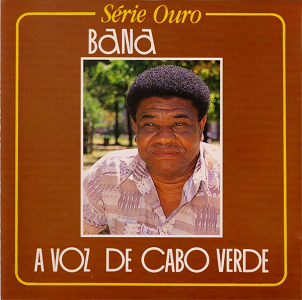
- A Voz de Cabo Verde (compitation), CD, Movieplay, Lisbon, 1991.
- Ritmos de Cabo Verde (compilation), LP, VCV, Lisbon, 1991.
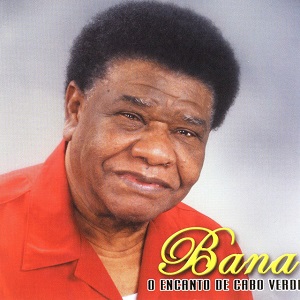
- O Encanto de Cabo Verde (compilation), CD, Movieplay, Lisbon, 1992.
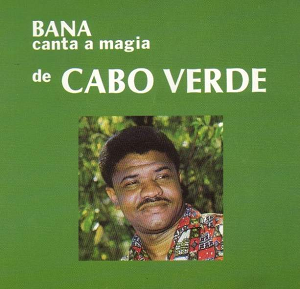
- Bana canta a magia de Cabo Verde (compilation), LP, Riso
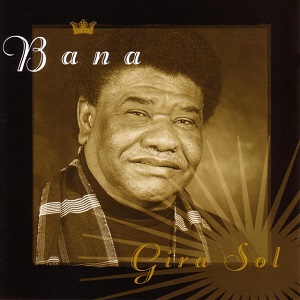
e Ritmo Discos, Lisbon, 1992. - Girassol, CD, Vidisco, Lisbon, 1997.
- Ao vivo (Coliseu), CD, Vidisco, Lisbon, 1999.
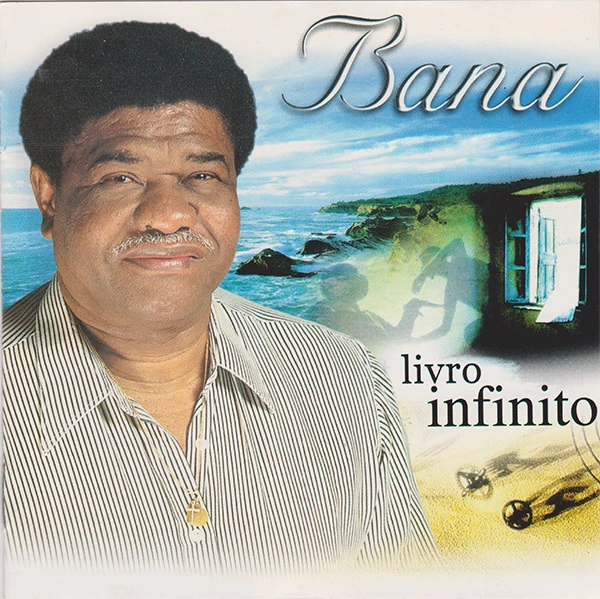
- Livro infinito, CD, Movieplay, Lisbon, 1999.
- Clássicos da Renascença, vol. 89, Movieplay, Lisbon, 2000.
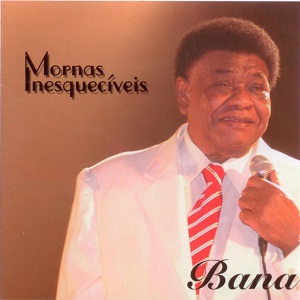
- Mornas inesquecíveis, CD, [?], Lisbon, 2001.
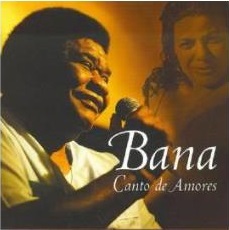
- Canto d’ amores, CD, Zona Música, Lisbon, 2002.
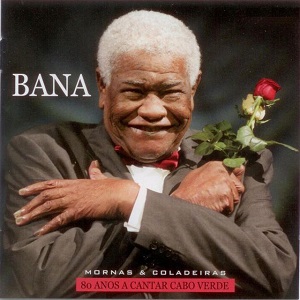
- Bana, 80 anos a cantar Cabo Verde (compilation), CD, Sons d’África, Amadora, 2013.
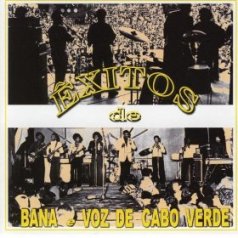
- Êxitos do Bana e Voz de Cabo Verde (compilation), CD, [?], Lisbon, [?].
- Participation in the LP Reencontro, 1982. Com Luís Morais Leonel, Morgadinho, Djosinha, Paulino Vieira, Bebeth, Zé António e Chico Serra.
- Participation in the compilation Cabo Verde 82, LP, 1982.
- Participation in the compilation Coladeras (Os melhores de Cabo Verde), LP, [?].
- Participation in the compilation Putumayo presents Cape Verde, 1999.
- Participation in the CD Ao vivo no B.Léza (various artistas), 2003

Discover more
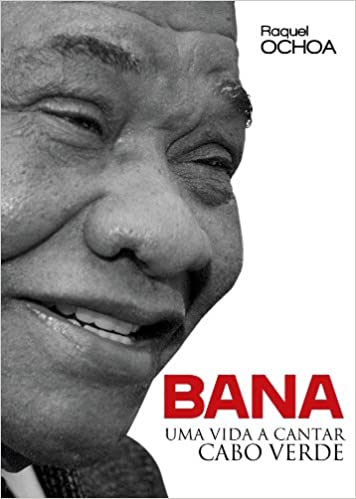
Bana, uma vida a cantar Cabo Verde (2008), Bana biography, by Raquel Ochoa. Ed. 2008